
Built on the Ground.
Trusted at the Top.
From a 17-year-old field laborer’s ambition to Connecticut’s elite-certified exterior team. We don’t just install siding—we engineer peace of mind for your home.

2007
Where it startedOur Vision
- MJT Siding — A Trusted Name in Siding and Roofing Services
Founded by Manuel (Manny) J. Tenecota, MJT Siding is built on decades of hands-on experience in the construction and roofing industries. Manny began his journey at just 17 years old as a laborer in New Jersey before moving to Connecticut and establishing MJT Roofing in 2010. His passion for delivering high-quality exterior solutions led to the expansion into siding services in 2017.
Today, MJT Siding is recognized as one of Connecticut’s leading siding experts, known for exceptional craftsmanship in both vinyl and fiber cement installations.
This depth of experience allows us to provide siding solutions that are dependable, detail-oriented, and tailored to the unique needs of Connecticut homeowners.
Our Journey
Milestones that
shaped who we are
No Guesswork. No Shortcuts.
Just The Process.
1
Precision Inspection
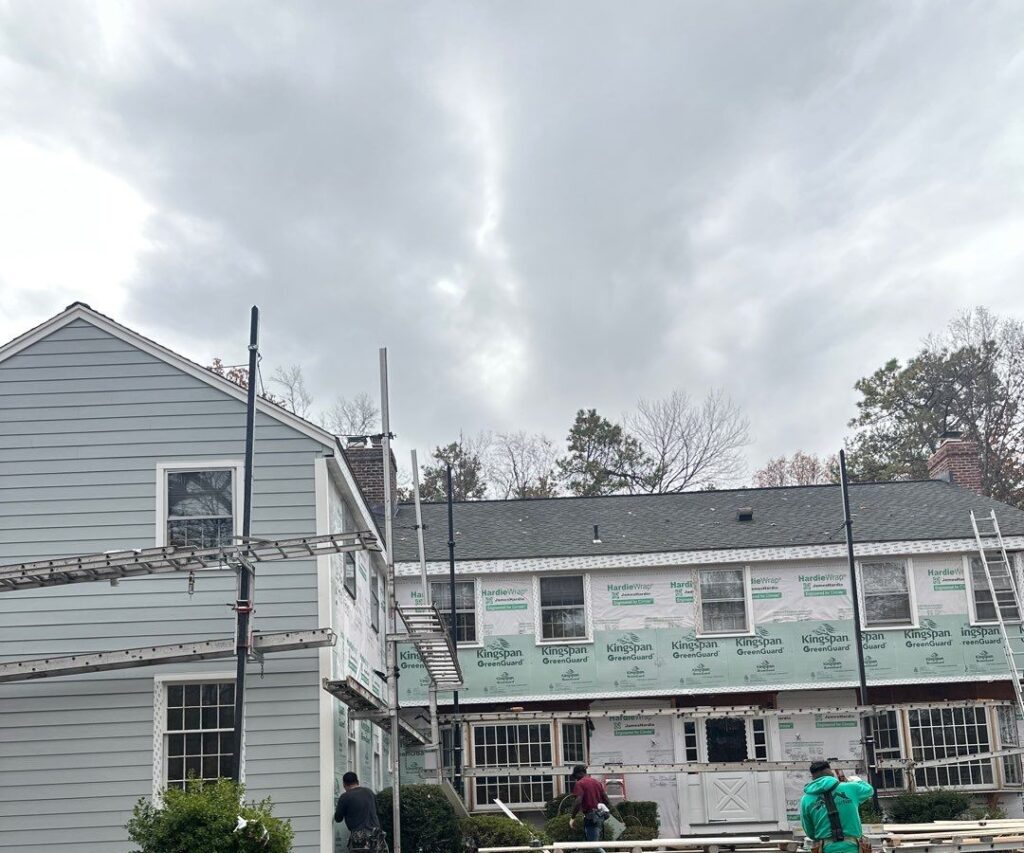
We run comprehensive, detailed pre-installation checks across your existing structural framing to discover hidden moisture or rot before any siding goes up.
2
Architectural Choice
We match your home’s unique style with elite-grade profiles, including James Hardie® fiber cement or Norandex™ Cedarknolls vinyl options tailored to look flawless.
3
Elite Management
Your project is fully managed from day one by specialized, certified installers who focus entirely on accurate fastener grids and manufacturer guidelines.
4
Quality Assurance
We perform a strict post-installation walkthrough alongside you to verify every seal, corner board, and custom trim line meets our rigorous standards.
Our Journey to Excellence
Starting as a roofing company in 2010, MJT has grown into one of Connecticut’s most trusted leaders in premium siding solutions. With a strong commitment to quality and strategic expansion, we introduced specialized siding services in 2017.
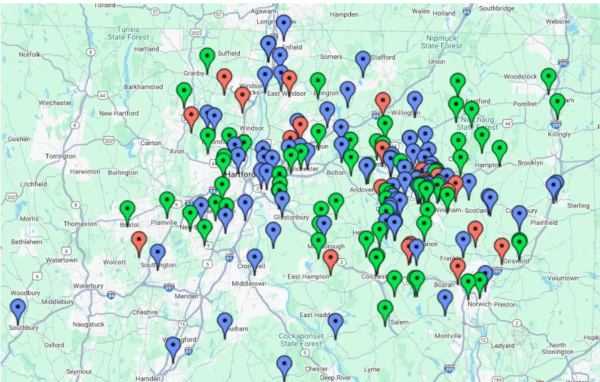
Over the years, we’ve completed hundreds of exterior projects, earning the trust of homeowners through consistent workmanship and reliable results. Today, MJT proudly serves 57 towns across Hartford, Windham, Tolland, and New London counties—delivering expert installations of James Hardie fiber cement siding and Norandex Cedarknolls vinyl siding to homes throughout Connecticut.
The MJT Difference
Our commitment to excellence goes far beyond installation. What truly sets MJT apart is our structured, step-by-step installation process designed to ensure consistency, accuracy, and long-lasting performance on every project.
As an Elite Preferred James Hardie contractor and a certified Norandex installer, we bring proven expertise to every siding job. Our comprehensive approach delivers the highest standards through:
Detailed pre-installation inspections
Custom design consultations tailored to your home’s style
Professional project management for smooth execution
Skilled installation teams with years of specialized experience
Quality assurance follow-ups to guarantee your satisfaction
This documented approach means no guesswork, no shortcuts—just quality results built to last.
Local Expertise, Premium Results
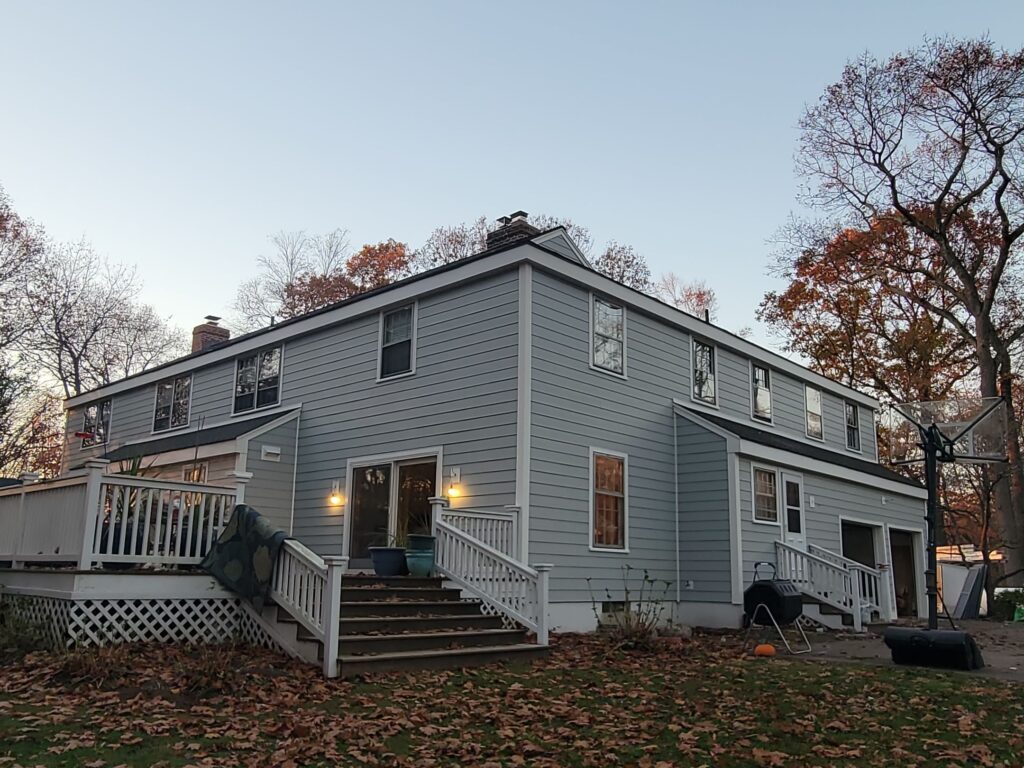
Our deep understanding of Connecticut’s climate, building styles, and architectural requirements shapes everything we do. Whether you own a coastal property in New London County or a historic home in Hartford County, we tailor every siding solution to meet your specific needs.
We know the unique material demands and design preferences in towns like Colchester, Hebron, Tolland, Lebanon, and surrounding communities. Through partnerships with trusted industry leaders like Hearth and BluePay, we offer premium siding options with flexible financing—making high-quality exterior upgrades accessible to more Connecticut homeowners.
Our Commitment to Growth
As we continue expanding our services throughout central and eastern Connecticut, our priority remains delivering exceptional results for every client. We invest heavily in ongoing training and advanced certifications so our team stays current with the latest installation techniques, safety standards, and product innovations.
As MJT grows, we remain committed to improving communication, scheduling, and project efficiency—ensuring a smoother, more reliable experience for every homeowner we serve.
Engineered for New England
Climates
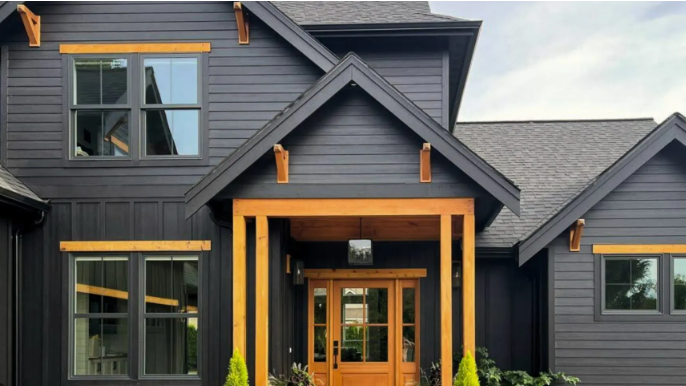
Whether you own a beautiful coastal home vulnerable to salt winds in New London County or a historic property exposed to heavy winter freezes in Hartford County, we understand exactly how Connecticut’s climate treats building materials.
We live and work here. We know the specific aesthetic guidelines and material demands of communities like Colchester, Hebron, Tolland, and Lebanon. Because premium protection should be accessible to everyone, we partner with trusted financial platforms like Hearth and BluePay to offer flexible financing choices tailored to fit your budget seamlessly.
Actively Serving Active Service Counties:
Hartford County
Windham County
Tolland County
New London County
SCHEDULE YOUR SIDING CONSULTATION
Quality Siding Services
- Siding Replacement – Trusted Experts in Connecticut
If your siding is aging, damaged, or no longer protecting your home the way it should, it’s time to call MJT Siding—Connecticut’s trusted siding replacement specialists. Whether you choose vinyl siding for low maintenance and affordability or fiber cement siding for premium durability, our team delivers expert installation with a flawless finish and long-lasting performance.
Replacing old siding is one of the most impactful upgrades you can make—boosting curb appeal, improving energy efficiency, and preventing long-term moisture damage.
Our experienced team handles every siding replacement with precision and care, ensuring a durable, attractive exterior that protects your home or business for years to come.
- Get Your Free Estimate Today
Ready to transform your property with new siding? Contact MJT Siding for a free, no-obligation estimate and discover why homeowners and businesses across Connecticut rely on us for top-quality siding installation and replacement services.