
Vinyl Siding Replacement - Done Right in Connecticut
Most vinyl siding problems don’t come from the material — they come from how it’s installed.
Vinyl siding has evolved significantly over the past decade. When properly specified and installed, it provides a durable, low-maintenance exterior that performs reliably in New England’s climate.
The difference isn’t the product — it’s the process behind the installation.
- Focused exclusively on siding replacement, not new construction
- Proven installation standards built for New England weather cycles
- Clear scope, clear expectations, no surprises mid-project
- Materials selected based on performance, not rebates
Schedule a Vinyl Siding Consultation
By providing my information, I agree to receive a call from MJT Representative.
Why Homeowners Choose MJT Siding
Most siding companies look similar at first glance.
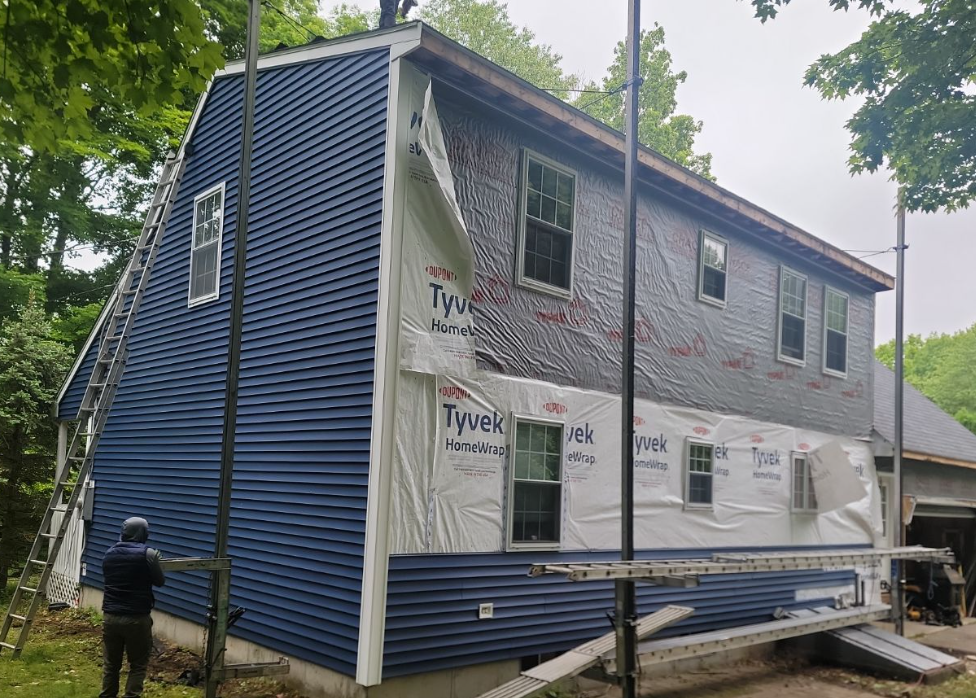
Replacement-Focused Installation Methodology
Vinyl siding replacement requires a different approach than new construction.
We evaluate existing wall conditions, trim integration, and structural details before installation begins. This ensures the new siding system is installed correctly on an existing home… — not forced into place or used to hide underlying issues.
Our methodology is built specifically for replacement work, where precision matters most.
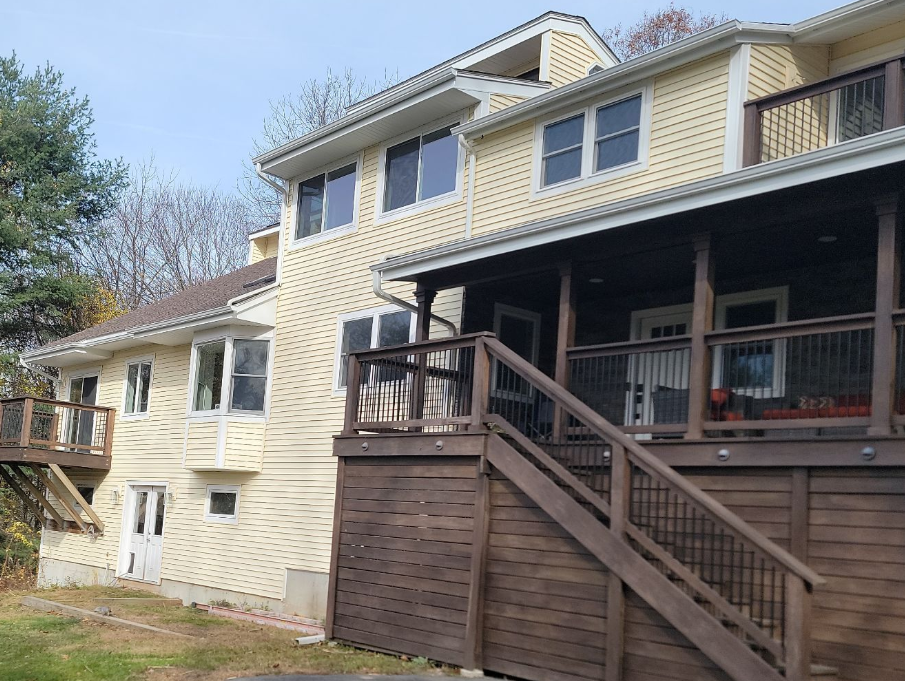
Installation Standards Built for New England
New England homes experience wide temperature swings, moisture exposure, and seasonal movement.
Our installation standards account for proper expansion allowances, fastening techniques, and wall preparation to prevent common issues like buckling, distortion, and premature wear. These details are not optional — they’re critical to long-term performance.
This is where shortcuts cause failures. We don’t take them.
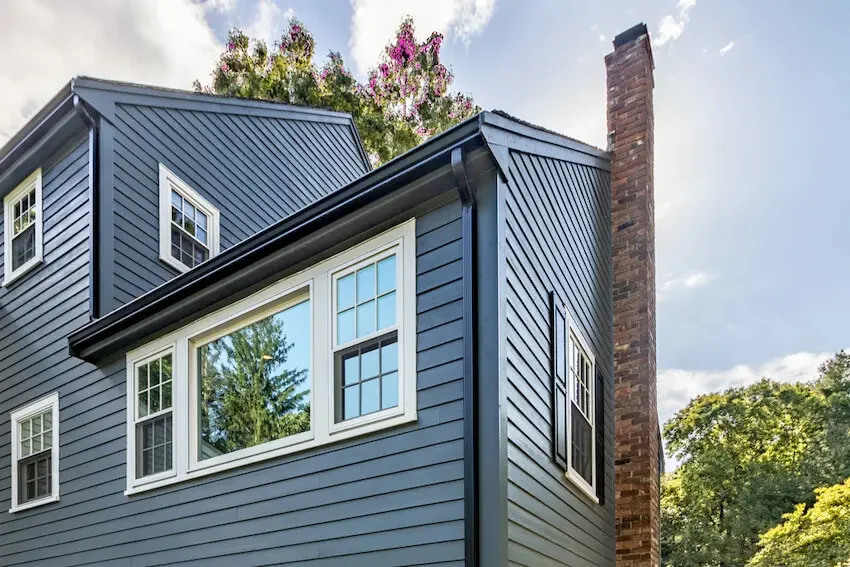
Documented Scope & Communication
Clarity starts before work begins.
Every project includes a documented scope of work outlining materials, trim details, and installation approach. Expectations are established upfront, changes are discussed before they happen, and communication stays consistent throughout the project.
When the scope is clear, the project stays controlled from start to finish.
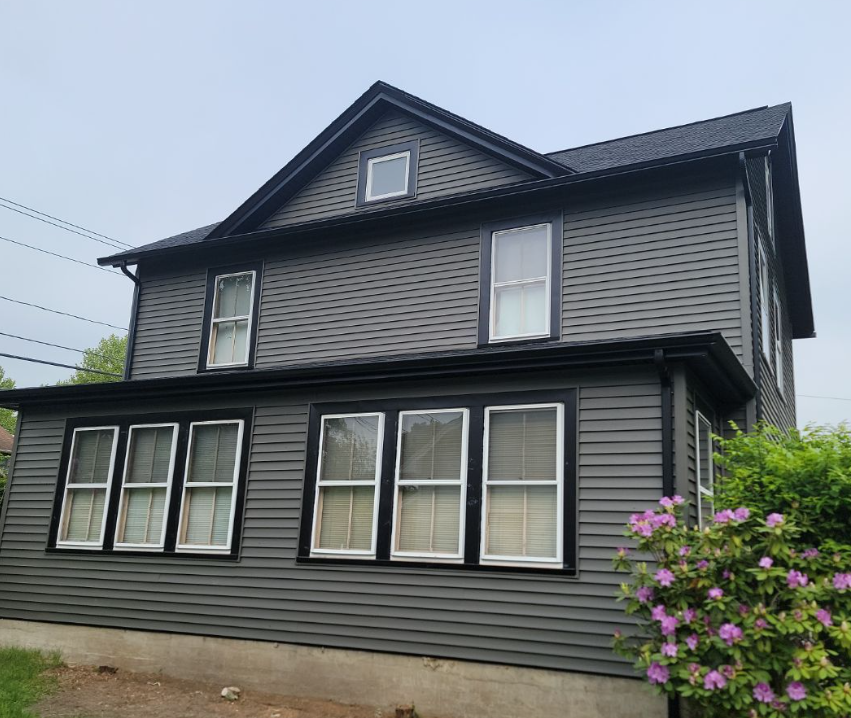
Accountability From Start to Finish
We remain involved from planning through final walkthrough.
Questions are addressed, workmanship is reviewed, and details are checked before the project is considered complete. If an issue arises, it’s handled directly — not passed off or delayed.
Accountability isn’t a statement. It’s built into how the project is managed.
There is one point of responsibility, and we own the outcome.
These four pillars define how MJT Siding approaches every vinyl siding replacement project—from planning through completion.
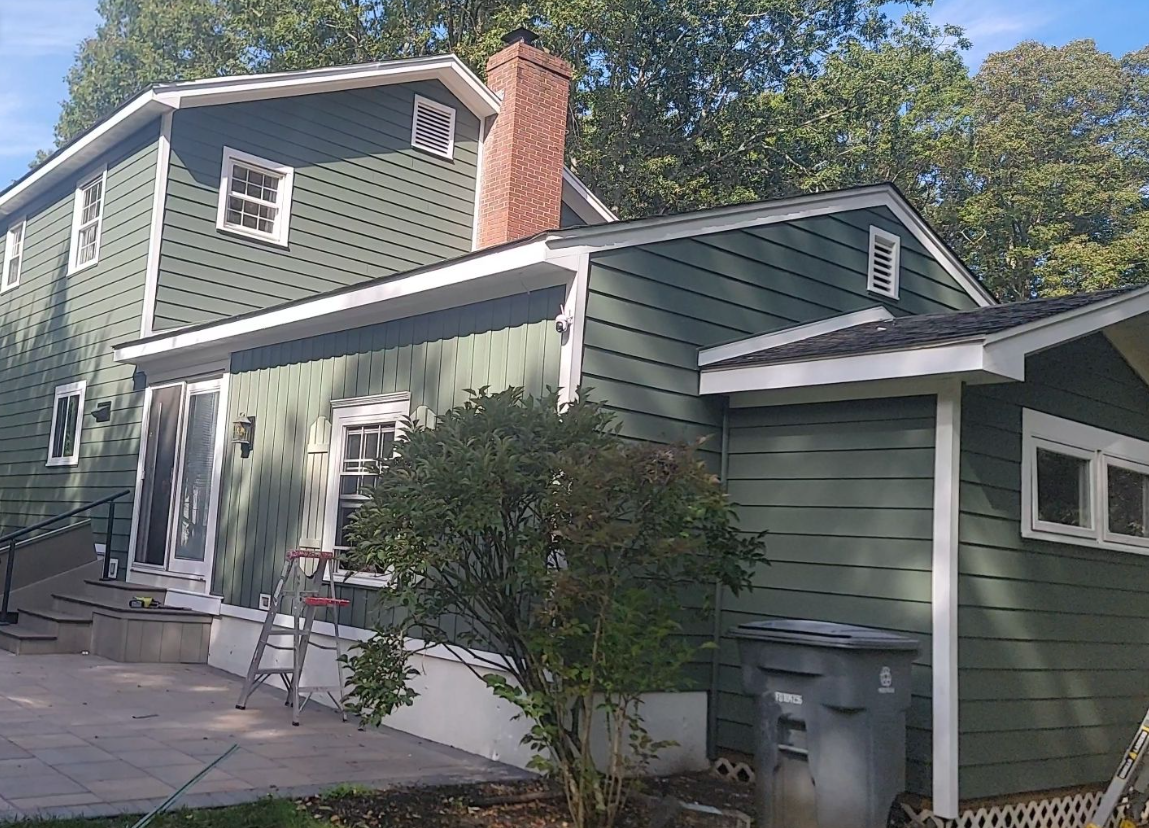
WHY VINYL SIDING PERFORMS IN CONNECTICUT
Vinyl Siding Designed for Real-World Conditions
Connecticut homes are exposed to wide temperature swings, moisture, snow load, and seasonal expansion and contraction. Any exterior material used here must be able to handle movement without compromising performance.
Modern vinyl siding systems are engineered specifically for these conditions. When properly installed, they provide a durable, low-maintenance exterior that adapts to seasonal changes rather than fighting against them.
This flexibility is one of vinyl’s key advantages in our climate.
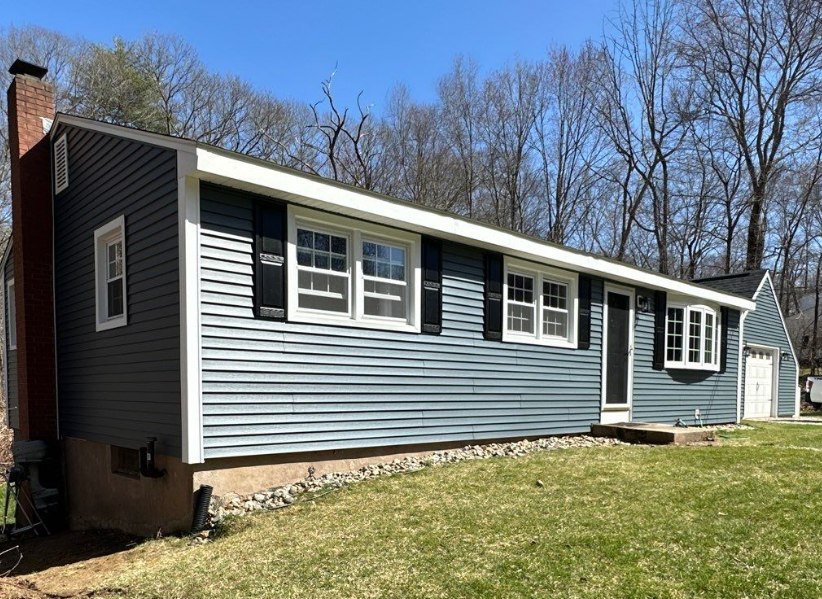
Built to Handle Seasonal Movement
Unlike rigid materials, vinyl siding is designed to expand and contract with temperature changes.
Proper installation allows for controlled movement, preventing common issues such as cracking, splitting, or warping over time. This is especially important in New England, where freeze–thaw cycles and temperature shifts are unavoidable.
When movement is accounted for correctly, the exterior remains stable and visually consistent year after year.
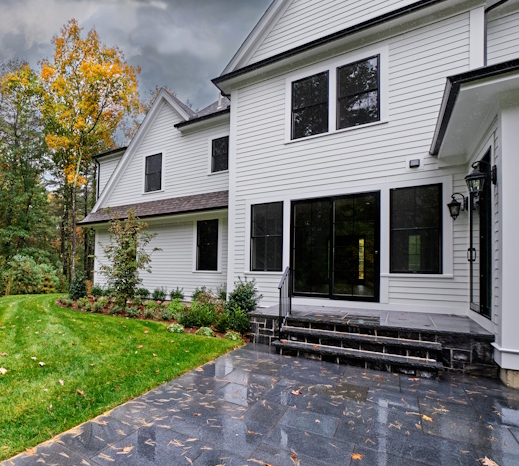
Moisture Management Matters More Than Material
In Connecticut, moisture is a constant factor—rain, snow, ice, and humidity all place stress on a home’s exterior.
Vinyl siding systems are designed to work as part of a broader moisture-management approach, allowing the wall assembly to shed water and dry properly. When paired with correct wall preparation and detailing, this helps protect the structure behind the siding—not just the surface you see.
This is where installation standards matter as much as the product itself.
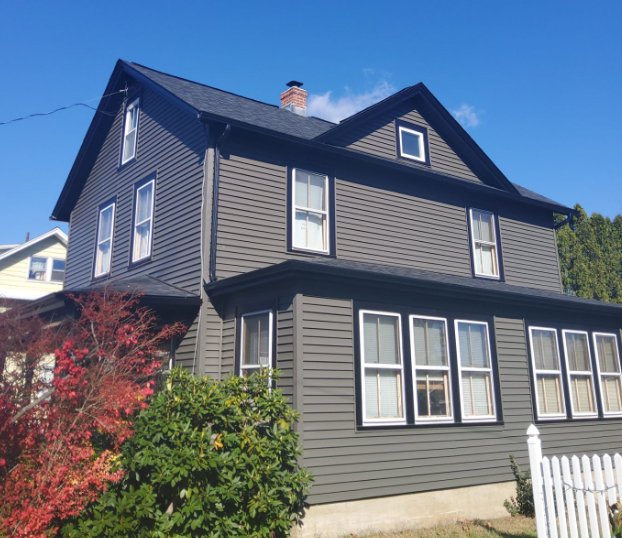
Low Maintenance Without Ongoing Cycles
Many homeowners compare siding replacement to repainting—but the long-term realities are very different.
Vinyl siding does not require periodic scraping, repainting, or refinishing. It maintains its appearance with minimal upkeep, eliminating ongoing maintenance cycles that add cost and disruption over time.
For homeowners looking to reduce long-term maintenance without sacrificing curb appeal, this is a practical advantage.
Vinyl Siding Is a System — Not Just Panels
Vinyl siding performance depends on more than the panels you see. Trim components, fastening methods, ventilation, and wall preparation all work together as a complete exterior system. Our role is to guide homeowners through appropriate options based on the home’s structure, exposure, and long-term goals — not to push a one-size-fits-all product.
Standard Vinyl Siding Profiles
Traditional vinyl siding profiles offer a clean, familiar appearance and consistent performance when installed correctly.
Best suited for:
Homeowners prioritizing durability and low maintenance
Straightforward wall layouts
Budget-conscious replacement projects
Key considerations:
Panel thickness and rigidity
Color stability over time
Proper fastening and expansion allowances
Architectural & Specialty Vinyl Options
Architectural vinyl profiles provide added depth and visual detail while maintaining the benefits of vinyl siding.
Best suited for:
Homes with varied elevations or design features
Homeowners seeking enhanced curb appeal
Projects where appearance and performance must balance
Key considerations:
Trim integration
Profile proportions
Long-term visual consistency
Trim, Ventilation, and Finishing Details
Trim and finishing details are where vinyl siding systems succeed or fail.
We evaluate and specify:
Corner and window trim systems
Ventilation requirements
Transitions to soffits, fascia, and other exterior elements
These components are selected to function together, ensuring clean lines and proper airflow — not pieced together as afterthoughts.
Material Selection Based on Performance
We primarily install Norandex vinyl siding systems because they have demonstrated reliable performance in New England conditions.
Material selection is based on:
Proven durability
Color retention
Compatibility with proper installation standards
No material is selected based on incentives or promotions. Performance comes first.
Guidance Without Pressure
Every home is different. Not every option is appropriate for every project.
Our job is to explain the differences clearly, answer questions honestly, and help homeowners make an informed decision based on how the system will perform — not how it looks in a brochure.
Installation Matters as Much as the Material
Vinyl siding performance doesn’t come from the product alone. It comes from how the system is planned, installed, and finished.
Even the best materials will underperform if details are rushed, shortcuts are taken, or installation standards are ignored. That’s why our focus has always been on process, preparation, and accountability — not just what goes on the wall.
What to Expect When You Work With MJT Siding
When you reach out, there’s no sales pitch and no pressure to decide on the spot.
We start with a consultation to understand:
Your home’s structure and exposure
Your goals for performance, appearance, and maintenance
Whether vinyl siding is the right solution for your project
If it’s a good fit, we’ll explain the approach clearly and outline next steps.
If it’s not, we’ll tell you that as well.